Same day gardeners Sutton for storm damage and urgent jobs
Storms have a habit of turning a tidy garden into a stressful mess very quickly. One hour the borders are fine, the next you are staring at broken branches, scattered fencing, bent hedges, or a lawn littered with debris. If you need same day gardeners Sutton for storm damage and urgent jobs, the main thing is simple: get the garden made safe, get the worst of the mess under control, and stop the problem from spreading.
This guide explains what fast-response garden help really involves, when it makes sense, what to ask for, and how to avoid paying for the wrong kind of visit. It also covers practical steps for storm cleanup, urgent hedge work, damaged trees, and emergency clearance. To be fair, not every garden problem needs a full overhaul. Sometimes you just need calm, competent hands and a plan that works that same day.
Contents
- Why same day garden help matters after storm damage
- How urgent garden callouts work
- Key benefits and practical advantages
- Who this service is for
- Step-by-step guidance
- Expert tips for better results
- Common mistakes to avoid
- Tools, resources and recommendations
- Law, compliance, standards and best practice
- Options and comparison table
- Case study or real-world example
- Practical checklist
- Conclusion
- Frequently asked questions
Why Same day gardeners Sutton for storm damage and urgent jobs Matters
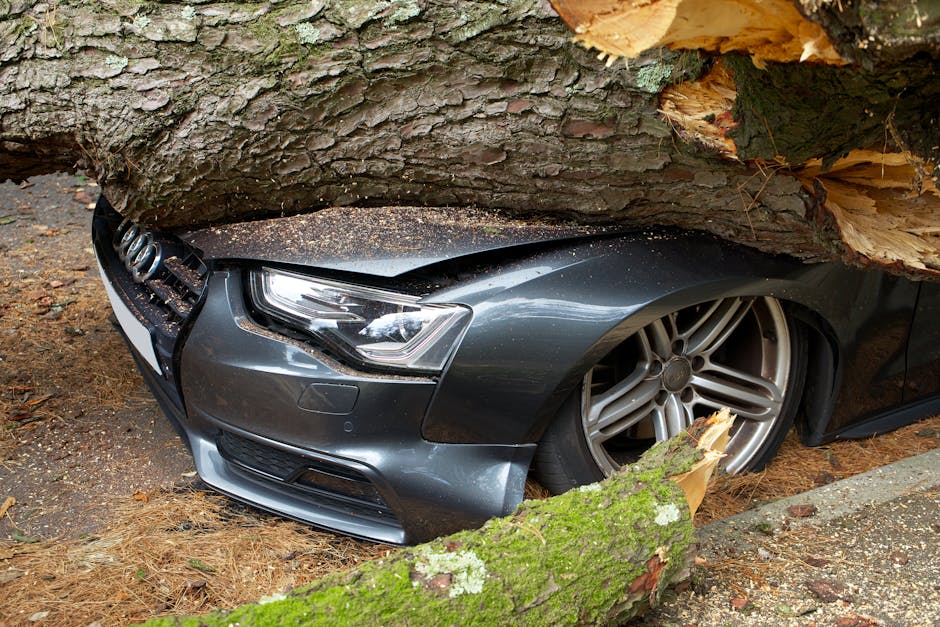
After heavy rain, high winds, or a sudden downpour, the garden often becomes more than an eyesore. It can turn into a safety issue. A branch hanging low over a path, a smashed fence panel, or a tree leaning awkwardly after wind exposure can all create immediate risk for people, pets, neighbours, and property. That is why fast garden support matters so much.
In a place like Sutton, where many homes have front gardens, rear lawns, mature hedges, and shared boundaries, storm damage can affect more than one part of the property at once. You may need debris removed from the lawn, hedges cut back from the drive, and a damaged tree assessed before it causes further trouble. One call can solve several headaches, which is exactly the point.
There is also a timing issue. Wet timber becomes heavier and slippier. Wind-blown branches can shift again. Broken fence rails can snag clothing or injure someone who is simply carrying bins through the side return. If you delay, a manageable job can become a bigger, costlier one. Sometimes it only takes a wet Tuesday morning and one more gust to make things worse. Not ideal.
Fast garden help is valuable for the everyday stuff too: an urgent lawn cut before guests arrive, a hedge that has suddenly become a visibility problem, or a clearance job after a skip has been delayed. The phrase urgent jobs covers a lot of ground, and that flexibility is part of the appeal.
Expert summary: urgent garden work is less about luxury and more about restoring safety, access, and control quickly. The best response is practical, tidy, and proportionate to the damage.
How Same day gardeners Sutton for storm damage and urgent jobs Works
Same day work usually starts with a quick description of the problem, then a decision about whether the job can be handled immediately, needs extra equipment, or should be split into a make-safe visit and a follow-up visit. For straightforward jobs, a gardener may be able to attend, assess, and begin work in one visit. For more complex storm damage, the priority is often safety first, clearance second, repairs or reshaping later.
A good urgent response will normally follow a pattern like this:
- Initial call or enquiry: you explain what happened, where the damage is, and whether anything is dangerous.
- Quick triage: the gardener decides if the issue is a same day priority, a scheduled urgent visit, or something that needs specialist tree work.
- Arrival and assessment: they check access, hazards, and what tools or disposal method will be needed.
- Make-safe work: loose branches, debris, or unstable growth are dealt with first.
- Cleanup and finishing: waste is gathered, cut material is removed, and the garden is left usable.
That may sound straightforward, and most of the time it is. But the difference between an average callout and a genuinely useful one is judgement. A competent gardener knows when to cut back, when to clear, and when to stop because something needs a more specialist approach. That restraint is a good sign, not a weakness.
For storm damage, the work often overlaps with services such as tree lopping and removal, hedge trimming, and garden clearance. If the garden is generally overwhelmed rather than just storm-hit, a broader refresh may later involve garden maintenance or, in some cases, a more involved landscaping plan.
Key Benefits and Practical Advantages
The biggest advantage of same day help is obvious: speed. But there are several other benefits that matter just as much in real life.
- Reduced risk: broken branches, unstable shrubs, and toppled debris are dealt with before they cause injury or more damage.
- Restored access: paths, gates, driveways, and side entrances can be cleared quickly.
- Less stress: when the garden is a mess after a storm, a prompt response stops the situation from hanging over you all week.
- Better appearance: if you are hosting visitors, managing a rental, or preparing a property for sale, quick work makes a visible difference.
- Prevention of follow-on problems: damp debris can encourage slippery surfaces, blocked drainage edges, or rot if left too long.
Another practical benefit is consistency. A decent urgent gardener will not just cut and run. They will usually leave the space safer than they found it, with waste gathered properly and obvious hazards removed. That sounds basic, but you would be surprised how often people are left with half-finished piles and nowhere to step.
There is also value in getting the right sort of job done first time. For example, a bent hedge may only need careful reshaping, while a cracked limb on a tree may need removal. The difference affects both the cost and the outcome. You do not want to pay twice because the first visit only skimmed the surface.
Who This Is For and When It Makes Sense
This service makes sense for homeowners, landlords, tenants, letting agents, small businesses with outdoor space, and anyone who has a garden that suddenly needs attention. It is especially useful when delay would make the issue worse or when the garden has become unsafe to use.
Typical situations include:
- fallen branches after a windy night
- hedges blown across a path or driveway
- broken fence panels tangled with shrubs
- storm debris scattered across lawns and borders
- urgent cutback needed for access or visibility
- an overgrown garden that must be cleared before an inspection
- last-minute tidy-up after cancellation, weather disruption, or a builder's delay
It also makes sense if you are dealing with someone vulnerable on site. If a relative, tenant, or neighbour needs clear access to the property, fast garden work can remove a real barrier, not just a cosmetic one. That matters more than people sometimes realise.
There are moments when same day help is the right answer and moments when it is not. If the issue is purely aesthetic and not time-sensitive, a scheduled visit is usually better value. But if a storm has left the garden awkward, messy, or unsafe, waiting rarely helps. In fact, it can make the next visit longer and more expensive. Bit of a false economy, that.
Step-by-Step Guidance
If you want the best result from an urgent garden visit, a little preparation goes a long way. Here is a sensible way to handle it.
- Check for immediate danger. Do not touch unstable branches, leaning trees, or damaged fencing that might move suddenly. If something looks risky, keep people and pets away.
- Take a few photos. Clear pictures help explain the problem quickly. A couple of wide shots and one or two close-ups are usually enough.
- List the priorities. For example: "Remove fallen branches from lawn, clear path to side gate, cut back hedge blocking drive." Keep it simple.
- Consider access. If gates are locked, there is no parking nearby, or waste will need to be taken through the house, mention that early.
- Ask what can be done today. Some jobs can be completed fully; others may only be made safe on the day.
- Confirm disposal expectations. Ask whether cuttings, branches, and storm waste will be removed as part of the visit.
- Walk the site afterwards. Before the team leaves, check that the main hazards are gone and the access routes are usable.
If the job includes broader tidy-up work, it can help to think in layers. First, safety. Second, access. Third, appearance. That order tends to save time and avoid wasted effort. A tidy garden after a storm feels good, of course, but a safe garden comes first every time.
For larger cleanups, you may also want to review the wider services overview so you understand which type of work suits the problem best. If the issue is mostly re-establishing order after severe clutter, garden clearance is often part of the picture.
Expert Tips for Better Results
After plenty of urgent outdoor jobs, a few patterns become obvious. The best outcomes usually come from clear communication and a realistic brief.
- Be specific about the danger. "Branch across lawn" tells less than "branch partly hanging over patio and touching shed roof."
- Separate must-do tasks from nice-to-have tasks. Urgent jobs go faster when the priority list is short and honest.
- Leave room for judgement. Good gardeners may suggest a safer or smarter alternative on the day. That is a plus, not a detour.
- Match the job to the right service. A hedge issue, lawn tidy, and storm cleanup are related, but not identical.
- Think about follow-up care. Once the emergency is handled, regular maintenance reduces the chance of the same mess repeating after the next wind.
One practical tip that gets overlooked: if your garden has a deck, patio edge, or narrow side access, tell the gardener in advance. Wet leaves and muddy boards can be slippery, and a team that knows what to expect will work more carefully. Small thing, big difference.
If the storm has damaged structures as well as planting, it may be worth asking whether the issue spills into related work such as decking services or broader landscape gardening. Not every urgent job is just a clean-up job. Sometimes it is the start of a more sensible reset.
Common Mistakes to Avoid
When people are stressed, they often rush the wrong part of the process. Fair enough. Storm damage is frustrating. But a few common mistakes crop up again and again.
- Trying to cut unstable branches yourself. If something is leaning, under tension, or tangled, it can move unpredictably.
- Booking only on price. The cheapest option is not always the safest or quickest one.
- Vague instructions. "Sort the garden" is too broad for an urgent visit.
- Assuming all waste removal is included. Always confirm what is being taken away and what is being left for you.
- Ignoring root causes. If a hedge or tree regularly causes issues in storms, it probably needs a proper maintenance plan.
- Waiting too long to act. A damaged area can deteriorate fast, especially after more rain or wind.
There is a tempting thought that you can just "leave it until Saturday" and deal with it then. Sometimes you can. But if access is blocked, a branch is hanging low, or a fence is partly down, that delay may be a gamble you do not need to take.
Tools, Resources and Recommendations
For readers trying to understand what a good urgent garden response requires, it helps to know the usual toolkit and setup. You do not need to own any of this yourself, obviously, but it helps you judge whether a team is properly prepared.
- Hand tools: loppers, pruning saws, secateurs, shears, and basic clearing tools for smaller branches and hedge work.
- Cutting and clearance equipment: useful for larger debris, thicker stems, and bulky storm waste.
- Protective equipment: gloves, eye protection, sturdy footwear, and weather-appropriate clothing.
- Waste handling supplies: bags, tarps, and loading equipment to keep the site tidy.
- Access gear: ladders or reach tools only where they are suitable and safe for the task.
From a customer point of view, your most helpful resources are surprisingly simple: a phone photo, a short note about what happened, and a clear understanding of what matters most. Safety first. Then access. Then the aesthetics.
If you are comparing possible follow-on work, it is useful to look at related services such as lawn mowing for recovery after debris has been removed, or hedge trimming if wind has left uneven growth and broken outlines. For heavier overgrowth, a proper garden maintenance plan can stop things from snowballing again.
Law, Compliance, Standards and Best Practice
Storm damage work often touches on safety, waste handling, and property boundaries, so it is sensible to approach it carefully. Without making this more dramatic than it needs to be, there are a few expectations that matter in the UK.
First, any work near a dangerous tree or unstable structure should be treated cautiously. If there is a serious risk of collapse, electrical contact, or injury, the work should pause until the danger is properly understood. A good gardener will know when a task is suitable for a standard callout and when it is better left to a more specialist response.
Second, waste should be handled responsibly. Branches, hedge cuttings, and storm debris should not just be dumped at the kerb and forgotten. Good practice means removing, separating, and disposing of green waste in a sensible way. If sustainability matters to you, it is reasonable to ask how cuttings are reused, recycled, or processed. You can also read more about the company's approach to recycling and sustainability.
Third, access and working methods should respect property boundaries and safety. If a team needs to go through a side passage, over a deck, or around delicate planting, they should take care rather than bulldozing through. That sounds obvious, but yes, it really does separate careful work from careless work.
You may also want reassurance on professionalism, insurance, and safety procedures before someone starts cutting back storm-damaged growth close to fences, sheds, or communal areas. In that case, the pages on insurance and safety and the health and safety policy are worth a look. They help set expectations before any urgent job begins.
Options, Methods, or Comparison Table
Not every urgent garden problem should be handled the same way. A quick comparison makes the decision clearer.
| Situation | Best approach | What it usually solves | Notes |
|---|---|---|---|
| Fallen branches on a lawn | Same day clear-up | Access, safety, immediate tidy-up | Often straightforward unless branches are large or unstable |
| Hedge blown into a path | Urgent trimming and reshaping | Visibility, access, safer movement | May need a follow-up trim if the hedge is badly torn |
| Tree limbs damaged in wind | Assessment first, then removal if safe | Risk reduction and clearance | May require specialist tree work depending on severity |
| Large-scale mess after a storm | Garden clearance | Bulk debris removal and reset | Often followed by maintenance or landscaping |
| General overgrowth plus storm damage | Combined urgent tidy and maintenance | Immediate recovery and longer-term improvement | Best when the garden has been slipping for a while |
The table is a simplification, of course, but useful. The real decision is whether the garden needs a quick stabilising visit, a deeper clearance, or a more considered rebuild. If the answer is "a bit of all three", that happens more often than people expect.
Case Study or Real-World Example
Imagine a typical Sutton household after an overnight storm. By breakfast, a medium-sized branch has dropped onto the lawn, the hedge along the front boundary has bent into the pavement edge, and the side gate is partly blocked by loose clippings and broken twigs. Nothing is catastrophic, but the garden is awkward, messy, and not safe for children or visitors.
The first priority is to clear the blocked access and remove the loose branch. Next comes a careful hedge cutback so the path and frontage are usable again. The gardener then gathers the storm debris, checks for any hidden damage to the fence line, and leaves the main outdoor routes open. That is a good same day result: not perfect, not a rebuild, but safe and functional.
A follow-up visit may then deal with cosmetic tidying, lawn recovery, or hedge reshaping. In some cases, the homeowner decides to fold that into ongoing lawn mowing and maintenance work so the garden does not drift back into a difficult state. Sensible, really. Once you have the space back, you usually want to keep it that way.
What matters most in that example is the order of operations. You do not start by making the garden pretty. You start by making it usable. Then you improve it.
Practical Checklist
Use this checklist before and during an urgent visit. It keeps things clear when you are under pressure.
- Identify any immediate hazards before anyone starts work.
- Take a few photos of the damage from different angles.
- Note whether access is through a gate, side path, or shared area.
- List your top three priorities in order.
- Ask whether removal of all green waste is included.
- Check whether the job is a make-safe visit or a full tidy-up.
- Confirm if the work may need follow-up later in the week.
- Keep children and pets away from the work area until it is finished.
- Walk the garden afterwards and check paths, gates, and boundary lines.
- Make a note of any areas that may need regular maintenance after the storm.
If you prefer a broader review after the emergency is over, it can help to look at ongoing support such as services overview and decide which routine work will prevent repeat issues. A garden that is trimmed, cleared, and watched regularly is simply easier to live with. No drama, less mess.
Conclusion
Storm damage in a garden is rarely just about tidiness. It affects access, safety, and peace of mind. That is why same day gardeners Sutton for storm damage and urgent jobs is such a practical service for local homeowners, landlords, and anyone who cannot afford to leave the problem sitting there. Quick response matters, but so does judgement: making the space safe, clearing the worst of the mess, and leaving you with a garden that makes sense again.
The best urgent garden work is calm, efficient, and clear about priorities. It does not overpromise. It handles the immediate issue, explains what comes next, and helps you avoid a bigger headache later on. That is the kind of help people actually need after a rough night of weather.
Get a free quote today and see how much you can save.
And if the wind has left you staring at a messy garden this morning, take a breath. It can be put right, and usually faster than you think.
Frequently Asked Questions
What counts as a same day garden job in Sutton?
A same day garden job is usually a task that needs attention quickly because it affects safety, access, or immediate use of the space. That might include storm debris, fallen branches, blocked paths, or urgent hedge cutback.
Can urgent garden work include storm damage clearance?
Yes. Storm damage clearance is one of the most common reasons people ask for rapid garden help. It often includes removing branches, clearing debris, restoring access, and dealing with damaged hedges or small trees.
How do I know if a branch is too dangerous to move myself?
If the branch is large, under tension, tangled in other growth, resting on a roof, or leaning in an unstable way, leave it alone. A garden professional can assess whether it can be safely removed or whether a different approach is needed.
Will same day gardeners remove all the waste?
Usually, yes, but it is always worth confirming before the job starts. Some visits include full waste removal, while others may focus on make-safe work first and return later for the rest.
Is storm damage work the same as tree removal?
Not always. Some storm damage jobs are simple clear-ups, while others involve damaged trees or limbs that need specialist attention. If a tree is unstable or badly split, it may require a more specific tree service rather than standard garden clearance.
What should I tell the gardener before they arrive?
Tell them what happened, what looks unsafe, where access is easiest, and what your top priority is. A few photos help as well. Clear information tends to speed things up more than people expect.
Can urgent garden work be done in bad weather?
Sometimes, but not always. Light rain is often manageable, while strong winds, lightning risk, or very slippery conditions may mean the job should be delayed or limited to a safe make-good visit.
How much does same day garden help cost?
It depends on the size of the job, the level of damage, access, waste removal, and how quickly the team needs to attend. It is better to ask for a clear quote based on the actual problem rather than guess.
Do I need urgent garden help if the damage looks minor?
If the damage is minor and not blocking access or creating risk, you may be fine to schedule a standard visit. But if there is any uncertainty about stability, it is safer to get it checked promptly.
What kind of urgent jobs are most common besides storms?
Common urgent jobs include overgrown hedges blocking access, lawns needing a quick cut before a property viewing, emergency clearance after builders leave a mess, and last-minute tidy-ups before guests or inspections.
Should I book maintenance after an urgent storm repair?
Often, yes. Once the immediate problem is fixed, regular maintenance helps keep hedges, lawns, and borders in better shape so the next windy spell causes less disruption.
How can I choose the right urgent gardener?
Look for clear communication, sensible prioritisation, good safety practice, and a willingness to explain what can be done today versus what should be left for later. That simple mix says a lot.